
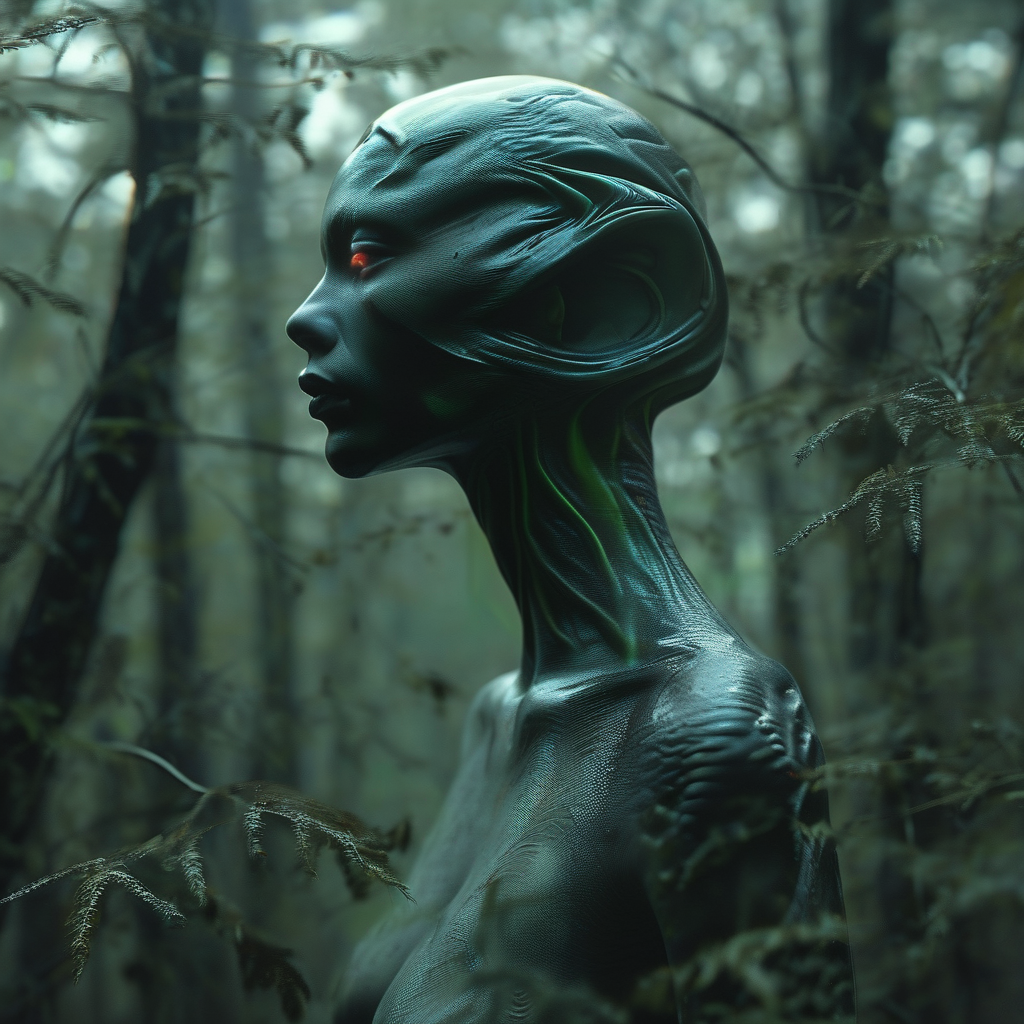
Sssssss is a cult classic that blends eco-conscious storytelling with body horror. Though it may not have the budget or polish of modern films, its unique premise and terrifying transformation sequences make it a fascinating piece of 1970s cinema. This article explores its role in the eco-horror genre, the real-life dangers of its production, and why it remains a must-watch for horror enthusiasts and environmental advocates alike.
Introduction: A Unique Eco-Horror Concept
Sssssss, released in 1973 by Universal Pictures, is a film that dared to take a different approach to the horror genre. It’s not your typical monster movie; instead, it introduces a chilling concept: the transformation of humans into snakes as a means of survival against environmental collapse. The film’s title, composed of seven “s” letters, is not a mistake—it’s a deliberate choice that adds to the eerie and unsettling tone of the movie. The tagline, “Don’t say it. Hiss it,” is both a warning and a nod to the film’s unusual subject matter.
The Premise: A Mad Scientist’s Eco-Driven Experiment
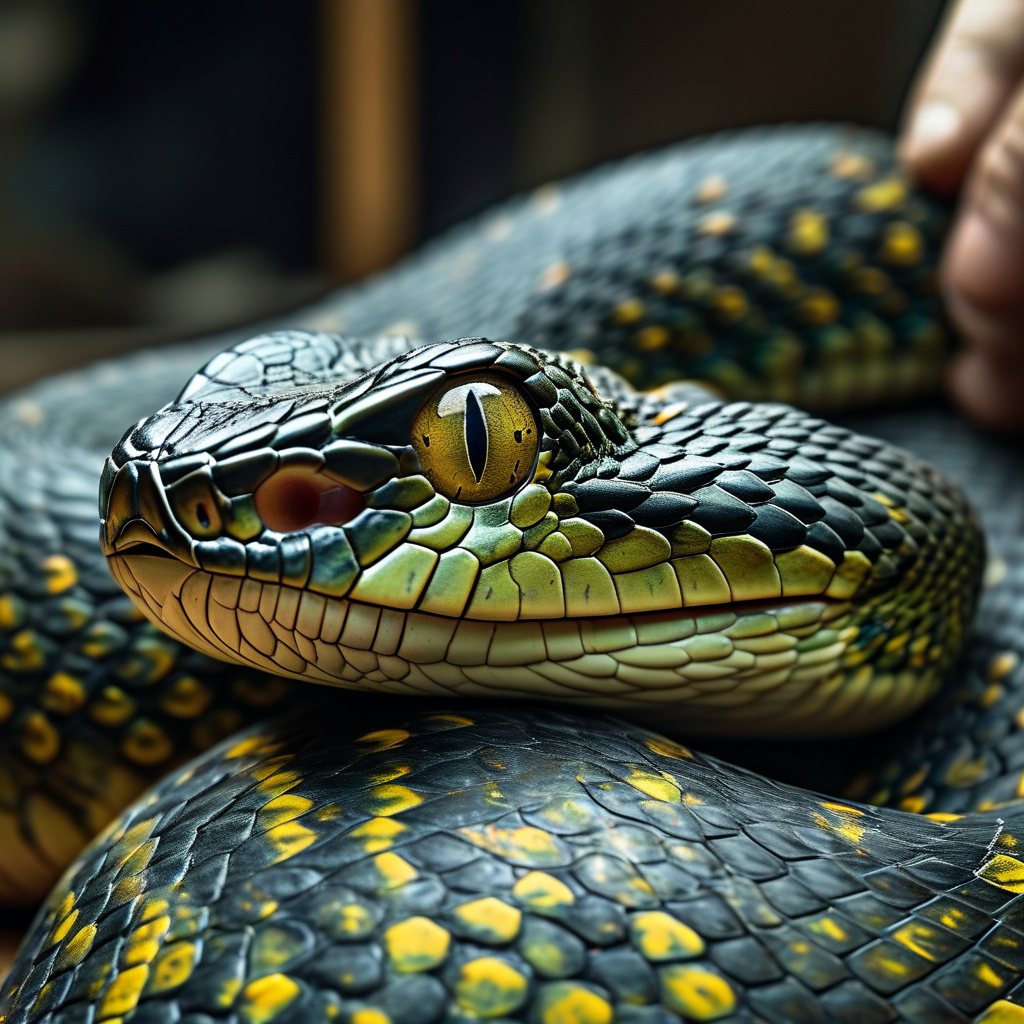
Dr. Carl Stoner, played by Strother Martin, is the protagonist of this bizarre yet thought-provoking film. His goal is not to destroy humanity but to save it. The central idea is that reptiles, specifically snakes, are more resilient to pollution than humans. As the film’s script explains, the transformation of people into snakes could preserve the human race in the face of environmental devastation.
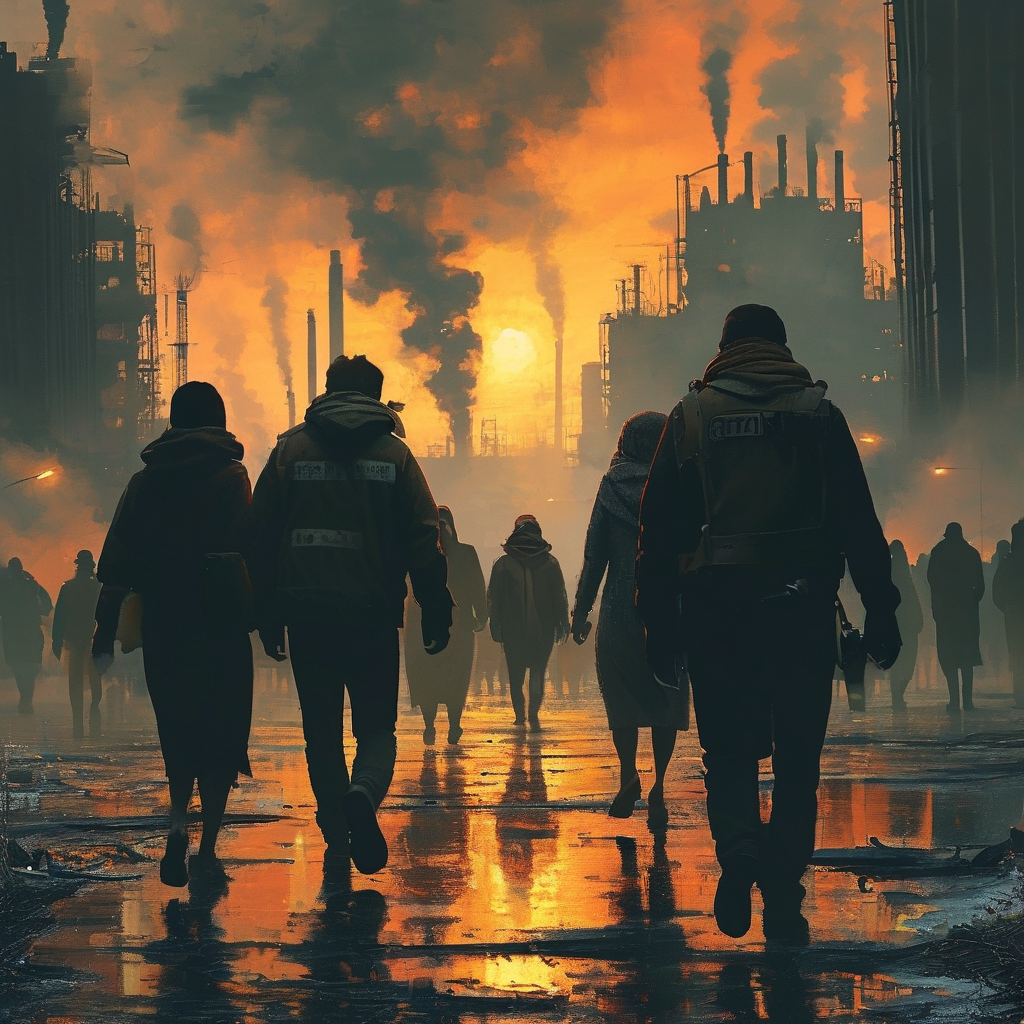
This premise is not just a product of its time but a surprisingly prescient take on environmental issues. In the 1970s, the world was beginning to recognize the impact of industrial pollution, and Sssssss offers a darkly satirical vision of how drastic measures might be taken to combat it. While it may sound far-fetched, the film’s message about ecological crisis and the lengths to which people might go to survive is still relevant today.
Real Snakes, Real Dangers: The Production Side
One of the most impressive aspects of Sssssss is that it features real snakes. The cast and crew were praised for their willingness to work with live, dangerous animals, a practice that was relatively rare in Hollywood at the time. The film opens with a special mention of the king cobras from Bangkok and the python from Singapore, which were used in the transformation scenes.
It’s unclear whether the venomous snakes used in the film were real or had been safely modified for the purpose of filming. However, the script explicitly states that snake venom is the key ingredient in Stoner’s body-altering serum, and the film’s production team went to great lengths to make this believable. In one particularly memorable scene, venom is drawn from the snakes’ fangs using a syringe, a detail that was not faked with budget-friendly effects.
This commitment to realism is both a strength and a weakness of the film. While it adds a layer of authenticity, the lack of budget and technology results in some of the most awkward and jarring visual effects in horror history. The transformation scenes are more than just horror—they’re a testament to the creativity and resourcefulness of filmmakers working with limited tools.
The Protagonist: Dirk Benedict as David Blake
David Blake, the protagonist turned victim, is played by Dirk Benedict, best known for his role in The A-Team and the original Battlestar Galactica. His character is a college student who volunteers to work with Dr. Stoner. He quickly becomes enamored with the doctor’s daughter, Kristina, played by Heather Menzies, and his transformation into a snake is both a personal and ecological tragedy.
David’s transformation is not just a physical change—it’s a symbol of humanity’s potential for adaptation. While the film is more about the horror of transformation than the science behind it, it offers a darkly humorous take on what might happen if humans were forced to evolve in response to environmental collapse. The film’s ending, where David fully transforms into a snake and kills the only person who could validate his college credit, is both grotesque and oddly fitting.
The Make-Up and Visual Effects: A Mixed Bag
The make-up effects in Sssssss are arguably its greatest asset. John Chambers, the legendary special effects artist known for his work on Planet of the Apes (1968), was involved in the production. His contributions to the transformation sequences are evident in the stills, which are often described as stunning and innovative for the time.
However, the actual filming of the transformations is less impressive. The film uses the same method employed in the 1941 The Wolf Man, where the actor is gradually transformed through practical effects. This approach, while effective in the 1940s, feels dated and low-budget by the 1970s. The transitions between human and snake forms are often abrupt and not entirely convincing, which detracts from the overall experience.
The cinematography is also a point of criticism. While the stills are impressive, the actual footage of the transformations and the film’s overall visuals are plagued by poor lighting, awkward camera angles, and lackluster special effects. This has led many to call the film a “slow detour around a premise with promise”—a metaphor that captures both its ambition and its execution.
Themes and Symbolism: Eco-Horror in the 1970s
Sssssss is more than just a body horror film; it’s a subtle exploration of ecological themes. The film’s message is clear: in a world where pollution is threatening the existence of humans, evolution may be the only way to survive. While this idea is extreme and arguably absurd, it reflects the growing awareness of environmental issues in the 1970s.
The film’s title and tagline are particularly effective in reinforcing its eco-horror theme. The repetition of the letter “s” is not just a stylistic choice—it’s a way to evoke the sound of a snake hissing. The tagline, “Don’t say it. Hiss it,” is a clever nod to the film’s subject matter and serves as a warning to viewers.
There’s also a strong undercurrent of body horror and the dangers of unchecked scientific ambition. Dr. Stoner, despite his good intentions, is ultimately a mad scientist whose methods are reckless and morally questionable. This duality makes the film a compelling study of the ethical dilemmas surrounding scientific progress and environmental preservation.
The Ending: A Nightmare Fuel Moment
The film’s climax is both disturbing and unforgettable. After a series of increasingly surreal and nightmarish transformations, David Blake fully becomes a snake. The final scene shows him killing the only person who could sign off on his college credit, a twist that underscores the film’s dark humor and its focus on the absurdity of human survival in an increasingly hostile environment.
This ending is a powerful reminder of the film’s core message: if we don’t take environmental issues seriously, we may be forced to take extreme measures to survive. While it may not be the most well-executed horror film of all time, its impact on viewers is undeniable. Many who saw it as children still remember the nightmares it left in its wake.
Legacy and Relevance: A Film That Stands the Test of Time
Despite its flaws, Sssssss has carved out a unique place in the horror genre. It’s often cited as one of the earliest examples of eco-horror, a subgenre that explores the intersection of environmental crisis and horror. While the film may not be a masterpiece, it’s an important piece of cinema that reflects the growing awareness of ecological issues in the 1970s.
Today, as the world continues to grapple with climate change and environmental degradation, Sssssss feels more relevant than ever. It’s a film that challenges viewers to think about the future of humanity and the lengths to which we might go to survive. Its message may be dark and unsettling, but it’s also a powerful reminder of the importance of environmental stewardship.
The Film’s Place in Horror History
Sssssss is often compared to other classic Universal horror films, such as The Wolf Man and The Mummy, but it stands apart due to its unique premise and thematic depth. While it may not be a cinematic triumph, it’s a film that deserves recognition for its bold approach to the genre.
In the context of horror history, Sssssss is a film that has been unfairly overlooked. Its transformation sequences, while not technically flawless, are undeniably memorable. The film’s inability to fully execute its vision has led to its cult status, with fans and critics alike embracing its eccentricity and dark humor.
For those who are willing to overlook its technical shortcomings, Sssssss offers a fascinating glimpse into the evolution of horror cinema and the early days of eco-conscious storytelling. It’s a film that may not be for everyone, but for those who appreciate its boldness and thematic complexity, it’s a must-watch.
Final Thoughts: A Must-Watch for Horror and Eco-Film Enthusiasts
Sssssss is a film that may not have the budget or polish of modern horror productions, but it has a unique place in the genre’s history. Its eco-horror concept, combined with its body horror elements, makes it a compelling and thought-provoking watch. While the film’s visual effects may be dated, its message about environmental crisis and the dangers of unchecked scientific ambition is still relevant today.
For fans of horror and eco-cinema, Sssssss is a must-see. It’s a film that challenges the audience to think about the future of humanity and the role of nature in our survival. Whether you’re a die-hard horror enthusiast or someone interested in the evolution of environmental themes in film, Sssssss is a film worth watching.
Conclusion
In conclusion, Sssssss is a fascinating and unconventional entry in the horror genre. Its eco-horror premise, real snakes, and unique transformation sequences make it a standout film for those interested in the intersection of horror and environmental storytelling. While it may not be a perfect film, its impact on viewers and its place in horror history are undeniable. If you’re looking for something different, something that dares to explore the darker side of ecological survival, then Sssssss is a film that you should not miss.
Keywords: Eco-horror, Sssssss, Universal Pictures, Dirk Benedict, Snake transformation, Environmental themes, Horror cinema, Body horror, 1970s film, Make-up effects, Classic horror